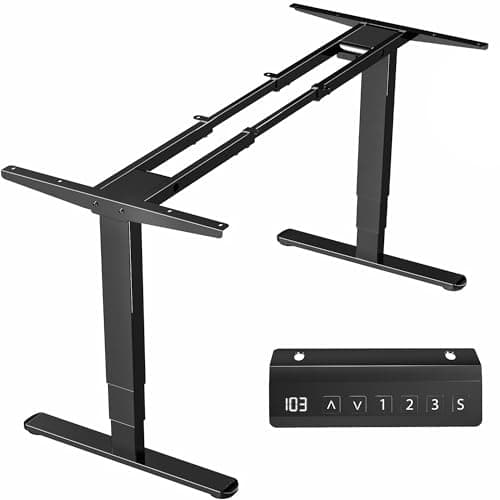
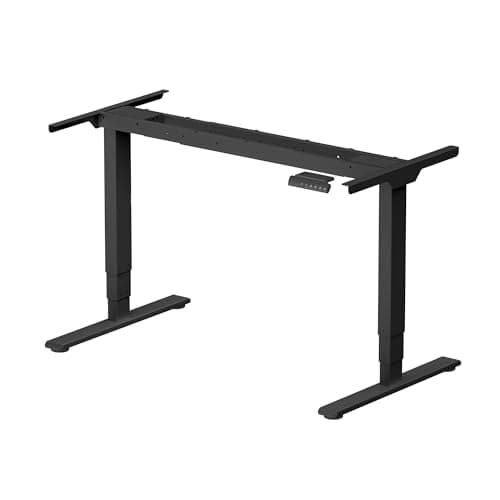
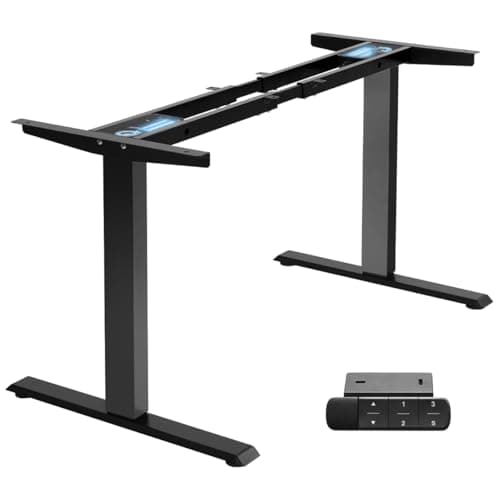
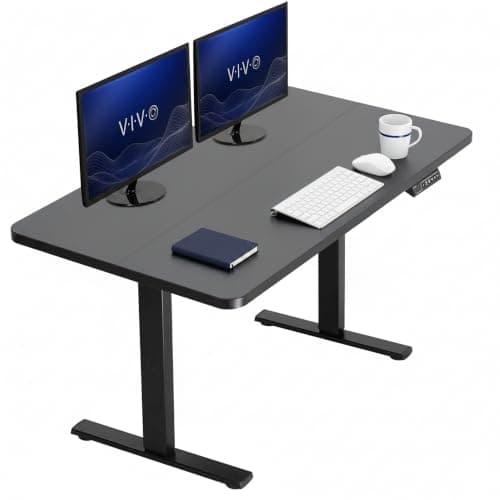
The closest alternative to a FlexiSpot is the UPLIFT Desk V3: the same dual-motor, three-stage architecture, a 22.6 to 48.7 inch range that UPLIFT states meets ANSI/BIFMA G1-2013, and a 15-year whole-desk warranty, which is half again as long as FlexiSpot’s best term. It costs accordingly, and it publishes no weight capacity at all. If what you actually liked about FlexiSpot was the hardware rather than the badge, the SANODESK dual-motor three-stage frame publishes the same lift architecture, a 23.6 to 49.2 inch range and five years on the frame and motors for a fraction of the money. The budget pick is the TOPSKY DF02.01, the cheapest dual-motor frame here we would put a top on — it gives up the third lift stage and some range at both ends, and keeps the two motors that matter most.
It is worth being precise about what the brand is actually selling, because “a FlexiSpot” is a frame, not a desk. Strip an E6 or an E7 down to the figures FLEXISPOT publishes and you get four claims: a dual-motor, three-stage column design, a stated weight capacity (330 pounds on the E6 Max; FLEXISPOT publishes none for the E6 Pro), a 24.4 to 50 inch height range, and a 10-year frame and motor warranty on the top complete desk. Everything else — the top, the finish, the drawers, the cable tray — is a separate purchase decision that every maker on this page also offers.
Which alternative matches which published claim
| Alternative | Motors / stages | Published height range | Published capacity | Warranty |
|---|
| UPLIFT Desk V3 | Dual, 3-stage | 22.6 to 48.7 in (ANSI/BIFMA G1-2013) | Not published | 15 years, whole desk |
| VIVO DESK-V103E frame | Dual, 3-stage | 23.5 to 49.3 in | 220 lb | 3 years |
| SANODESK frame | Dual, 3-stage | 23.6 to 49.2 in | 220 lb | 5 years, frame and motors |
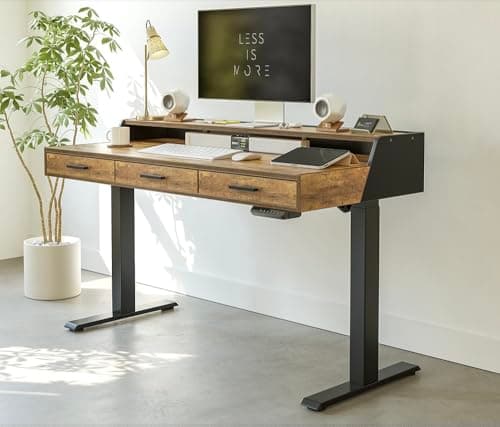
| FEZIBO 55 x 26 with drawers | Electric, stages not published | 28.35 to 46.46 in | Not published | Not published |
| TOPSKY DF02.01 frame | Dual, 2-stage | 27.6 to 47.3 in | 225 lb | Not published |
| VIVO DESK-1B4B desk | Single motor | About 30 to 48 in | Not published | Not published |
Three of those six publish no capacity figure at all — including the most expensive desk on the page — and we have written not published rather than filling the cell with a guess. That is not a small gap: capacity is the number that decides whether the frame stays steady with a monitor arm and a tower hanging off it, and it is the one figure FLEXISPOT puts front and center. If a maker will not state it, treat the frame as rated for a laptop, one screen and a lamp, and read standing desk weight capacity before you load it with anything heavier.
The specification that actually separates these frames: stages
Every frame here lifts on telescoping columns, and the number of segments in that column is the single biggest predictor of how a desk feels at standing height. A three-stage column has three nested segments, so it reaches a given height with less of each segment extended, which is why the three-stage frames above all start below 24 inches and still clear 49. A two-stage column has to extend further to get to the same place, so it both starts higher and sways more at the top. The TOPSKY is the honest example: 27.6 inches at the bottom is too high for many people to sit at comfortably, and 47.3 inches at the top is short for anyone over about 6 foot 2. That compromise is exactly what the lower price buys, and it is the same compromise FlexiSpot’s own cheaper frames make.
Motor count is the second fork and it is simpler: one motor in one leg has to drag the other leg up with it, which is slower, noisier and less even under an asymmetric load. Electric versus manual standing desk works through the case for having no motors at all, and standing desk wobble is what you are buying stages and motors to avoid.
Frame or finished desk? The fork that decides your shortlist
FlexiSpot sells both, which is a large part of why the brand shows up on every shortlist, and the two routes have genuinely different answers here. If you want a finished desk in one box, the FEZIBO with drawers and the compact VIVO are the alternatives, and both trade published specification for convenience. If you are happy to buy a frame and put your own top on it, the VIVO DESK-V103E, the SANODESK and the TOPSKY are all cheaper than a comparable finished FlexiSpot, and the VIVO supports tops from 40 to 85 inches long, which is wider than any complete desk FlexiSpot lists. Standing desk frame versus complete desk runs the real arithmetic on that choice, including what a decent top actually costs, and the standing desk frames roundup ranks the frame field without reference to any brand you are replacing.
Where FlexiSpot is still the right buy
Three cases, said plainly. The first is published capacity: the E6 Max frame states 330 pounds and nothing on this page beats it — the three cheapest frames state 220 to 225 pounds, and the other three, the UPLIFT included, state nothing. The second is price for the same architecture: the only alternative here with a longer warranty than FlexiSpot’s 10 years on the frame and motor is the UPLIFT, at considerably more money, and the next longest is the SANODESK’s five years. The third is simply support footprint: FLEXISPOT and VIVO both run real service operations, and when a motor fails in year three that matters more than any number on the box. If you are weighing the two names most people shortlist against each other rather than looking for a way out of both, UPLIFT versus FlexiSpot is the page for that, and UPLIFT Desk alternatives is the mirror of this one.
The three measurements to take before you order any of these
- Your seated elbow height. Sit in the chair you actually use, let your upper arms hang, and measure the floor to the underside of your elbow. That is the number the bottom of the range has to reach. It is why 23.5 inches on the VIVO frame matters and 27.6 on the TOPSKY may not work for you. The standing desks for tall people page does the same arithmetic at the other end of the range.
- Your standing elbow height. Same measurement, standing, shoes on. Add nothing for a keyboard tray and nothing for a mat; measure what you will actually use. Any frame whose top end is below that figure is the wrong frame regardless of price.
- The top, if you are buying a frame. Length, depth and thickness, in that order. The VIVO DESK-V103E takes 40 to 85 inches long and 23 to 43 deep with a three-quarter inch minimum thickness; the TOPSKY tops out at 70.8 by 31.5 inches. Buy the top first and check it against the frame, not the other way around.
What a cheaper frame actually costs you
Four things, and only two of them appear in a listing. The first is range, which is the stage count in disguise and the one you will feel every day. The second is published capacity, which is the number that decides whether the desk is steady with a monitor arm clamped to the back edge rather than merely able to lift it. The third is the warranty term, which is the maker’s own statement about its castings and its motors — and three of the six picks above decline to make one, while the UPLIFT makes the longest one here. The fourth is the thing no specification sheet records: who answers when something fails in year three.
A desk that moves also turns every cable into a moving cable, and that cost is the same whichever brand you buy. Standing desk cable management is the specific version of that problem, and the best standing desks under $500 ranks the complete-desk field on motor count and leg stages if a round budget is the real constraint rather than a brand.
If the chair and the keyboard are next
FlexiSpot also sells chairs, and the same “what am I actually paying for” question applies there — our SIHOO alternatives page works through the mid-market chair field on published lumbar, armrest and capacity figures. If a new desk is about to be joined by a new board, Keychron alternatives does the same job for the enthusiast keyboard brand most desk upgrades end up shortlisting.