If your chair sinks under your weight and will not stay at the height you set, the part that has failed is the gas cylinder— the chrome tube between the seat and the five-star base. It is a sealed strut, it cannot be topped up or repaired, and no amount of pumping the lever will bring it back. The fix is one of three things: hold it at a fixed height with a hose clamp (free, and you lose height adjustment), fit a new cylinder (cheap, and it restores the chair), or replace the chair if the rest of it is finished anyway.
The reason this is worth two minutes of diagnosis rather than a guess is that two other faults feel similar and have completely different fixes.
What is actually inside the tube
An office chair height adjuster is a gas spring: a sealed cylinder of pressurised nitrogen with a piston in it, and a valve at the top. Pull the paddle and the valve opens, letting gas move between the chambers so your weight lowers the seat or the spring raises it. Release the paddle and the valve shuts, trapping the gas — which is what holds you up.
When the seal around the piston or the valve wears, gas migrates past it under load. Your weight is now compressing the cylinder slowly rather than being held by it, and that is the sink. It is a wear failure, it gets worse rather than better, and it is the single most common reason a working chair gets thrown away.
The two-minute diagnosis
1. Does it drop while nobody is sitting on it?Raise it to the top and walk away for ten minutes. If it falls with no weight on it, the valve is being held open — look at the paddle linkage under the seat before you buy anything. A lever that has slipped out of adjustment, or a cable that has gone tight, can hold the valve cracked open permanently. That is an adjustment, not a part.
2. Does it hold until you sit, then sink over a minute or two? That is the classic cylinder seal failure. Confirmed.
3. Does it drop suddenly the moment you sit, every time? Also the cylinder, further along. Same fix, more urgency.
4. Is it the seat tilting rather than lowering?If the seat is rocking forward or the whole seat pan has play in it, you are looking at the tilt mechanism or loose mounting bolts, not the lift. Turn the chair over and check every bolt on the mechanism plate first — this one really is often free to fix, and the chair adjustment guide covers what each control is supposed to do.
Fix 1: the hose clamp, in ten minutes for almost nothing
The classic workaround. Set the chair to the height you actually want, then clamp a jubilee-style hose clamp tightly around the exposed chrome cylinder directly under the plastic skirt, so the seat physically cannot travel below the clamp. A length of PVC pipe, split lengthwise and snapped over the cylinder, does the same job and looks tidier.
What it costs you is the adjustment: the chair becomes a fixed-height chair at whatever you chose. That is a bigger deal than it sounds, because chair height is the foundation of your whole seated posture — so set it properly before you clamp. Feet flat, thighs roughly level, elbows level with the desk. The chair sizing guide has the measurements, and if the resulting height leaves your wrists above the keyboard, an under-desk keyboard tray is the other half of the fix.
Fix 2: a new cylinder, and the measurements to take first
Replacement gas cylinders are inexpensive and the swap is a twenty-minute job with a rubber mallet and a pipe wrench — the cylinder is held in the base and the mechanism by friction taper, not by threads, so it is a matter of persuading it out.
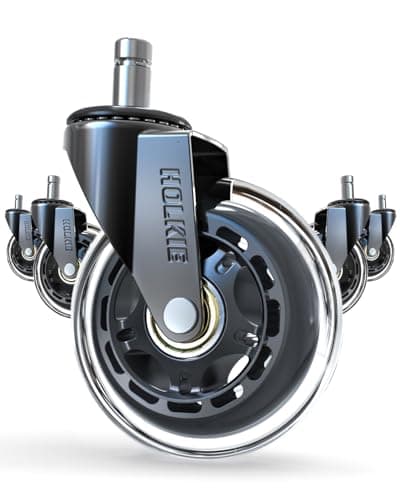
The catch is fit, and it is the same catch as chair casters: office chair components are not meaningfully standardized. Before you order, pull the chair apart and measure three things: the diameter of the cylinder’s upper taper, the overall collapsed length, and the travel you need. Then check those against the listing rather than against the chair’s brand name. A cylinder that is physically close but not right will either not seat or will change the height range of the chair.
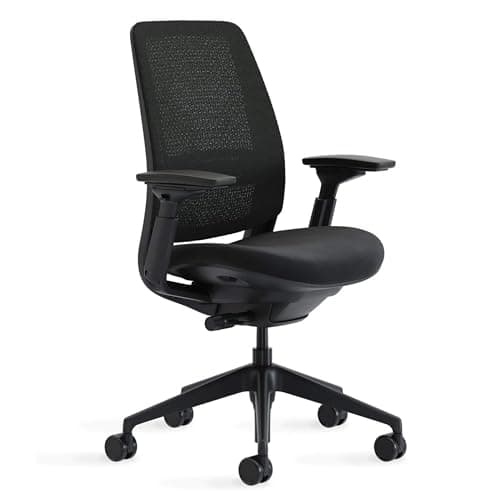
If the chair is a mid-market mesh chair bought in the last few years, this is almost always the economically correct repair. If it is a flagship chair, check the warranty first — a Steelcase Series 2 carries a 12-year mechanism warranty and the Leap V2 a 12-year warranty on the whole chair, and a sinking cylinder inside that window is the manufacturer’s problem, not yours.
Fix 3: when the chair is the answer
A cylinder swap is not worth doing if the rest of the chair is going too. The honest signals: the foam has flattened so the seat pan edge is what you are sitting on, the mesh has stretched into a hammock, the armrests wobble, or the recline no longer holds tension. Those are all end-of-life, and how long office chairs actually last goes through each one.
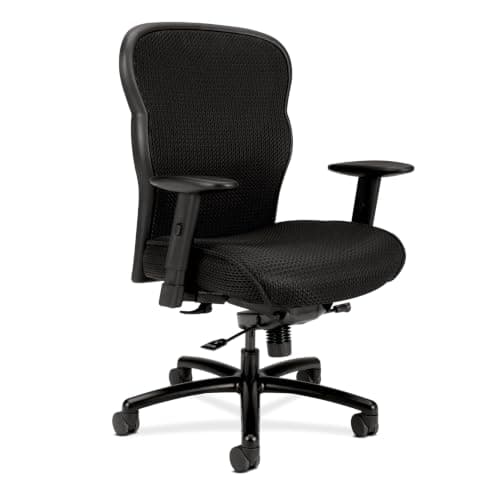
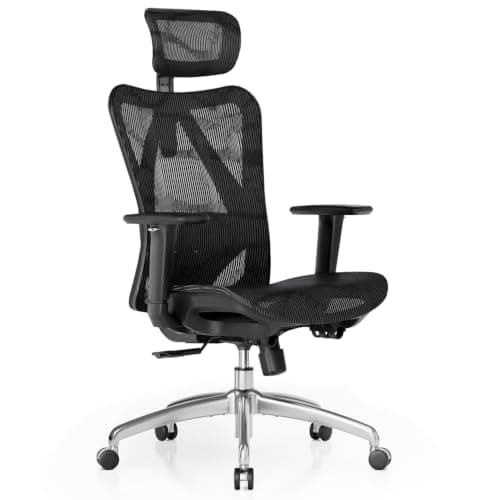
One pattern worth knowing when you buy the next chair: a cylinder that spends its life near the top of its rated load wears faster. Chairs with generous published weight capacities are not just for heavier people — they also run their lift with margin. The three chairs below are the ones we would pick on exactly that basis, and the weight capacity guide explains what the ratings do and do not cover.
What not to bother with
Do not try to refill or “re-gas” a cylinder. It is a sealed pressure vessel; there is no service port, and drilling one is a genuinely bad idea.
Do not lubricate it. The failure is an internal seal, and oil on the outside of the chrome does nothing except collect dust.
Do not keep pumping the lever. A gas spring is not a pump. If it rises and then settles, the seal is gone.
| Symptom | Most likely cause | Fix |
|---|
| Drops with nobody on it | Paddle or cable holding the valve open | Adjust the linkage under the seat |
| Holds, then sinks under your weight | Gas cylinder seal failure | Clamp it, or replace the cylinder |
| Drops instantly every time you sit | Cylinder, advanced | Replace the cylinder |
| Seat rocks or tilts forward | Tilt mechanism or loose bolts | Tighten the mechanism plate; check the tilt lock |
| Sinks, plus flat foam and stretched mesh | End of service life | Replace the chair |