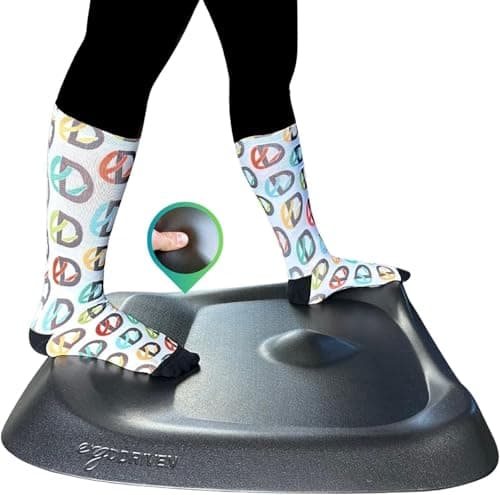
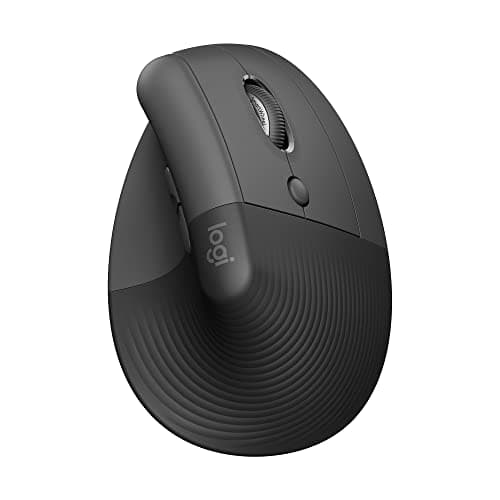
Ergonomic gear is the gift category with the best intentions and the worst hit rate, because the most obvious fix — a better chair — is the one that most needs the recipient’s measurements. This page splits the category honestly. The six picks below are the ergonomic fixes you can give to someone whose body you have not measured, ordered by the complaint they answer: wrist, feet, neck, wrist again, and standing fatigue. The section after the picks explains why the chair is not on the list and how to give one anyway.
Every product here is one we rank on a category page, with the same specs and sources; the framing is for the person buying. The one sizing question that does exist — hand size, for the vertical mouse — is handled by listing the mouse in both sizes with a plain rule for choosing between them. Prices are live from Amazon, refreshed daily and hidden if they go stale.
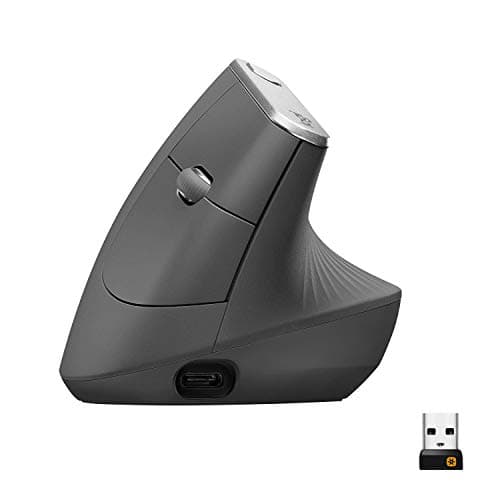
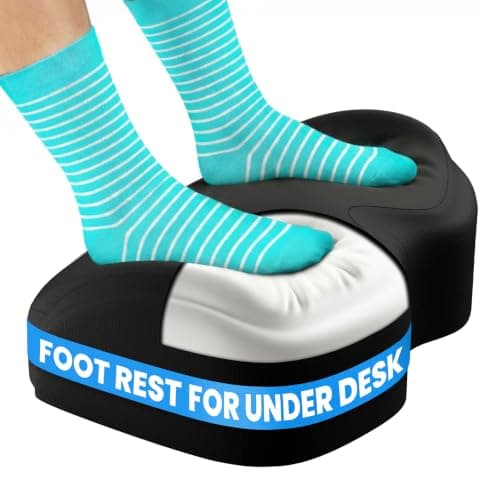
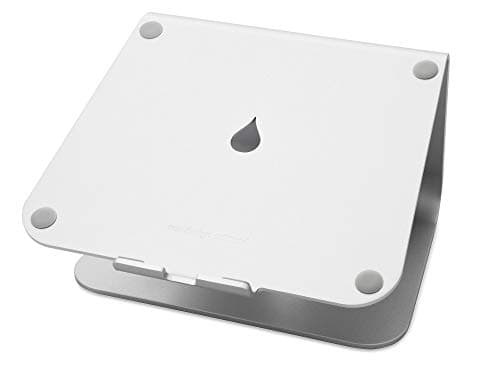
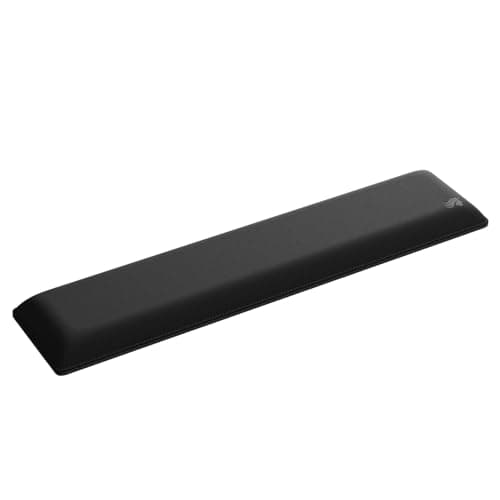
A word on what these fix. A vertical mouse takes the forearm out of the palm-down twist a flat mouse holds it in. A footrest restores the knee and hip angles a too-tall desk breaks. A laptop stand lifts a screen that is a foot below eye level. A wrist rest stops the wrist bending upward to reach a tall keyboard. A standing mat makes standing at a desk something the legs can sustain. None of them is a treatment; all of them remove a cause. If the complaint is a specific injury, the gift is a conversation with a professional, and the measurements in our keyboard and mouse ergonomics guide are the place to start understanding the desk itself.
Why the chair is not on this list
An office chair is the ergonomic purchase that matters most and the one that cannot be gifted blind. Seat depth, seat height range, back height and the position of the lumbar support are all fitted to a body, and the premium chairs make this explicit — the Aeron comes in three frame sizes. A chair in the wrong size is not a slightly worse gift; it is a worse chair than the one they have. If a chair is the gift you want to give, give the decision: tell them the chair is covered, then choose it together against our back pain chair ranking or the ergonomic chair ranking, and use our chair adjustment guide once it arrives. The same logic applies to a standing desk: measure the room together first. The splurge gifts page covers how to give both.
Choose by the complaint
Wrist: the vertical mouse, in the size their hand needs, or the wrist rest if the keyboard is tall. Neck: the laptop stand, if they work on a laptop, with an external keyboard alongside it. Lower back or feet: the footrest, if the desk is fixed-height. Legs or feet after standing: the mat, if they own a standing desk. The fixes are cheap next to the problems they remove, and every one of them addresses a cause rather than treating a symptom. If they already own the obvious fix, the monitor height guide and the desk height guide are the two reads that find the next one.
Hand size, the one measurement that matters here
The vertical mouse is the only pick on this page with a size, and the rule is simple. The Lift is built for small and medium hands and is the right default for most people; the MX Vertical is built for medium and large hands. If you can compare their hand with yours and it is noticeably larger than average, choose the MX Vertical. If they are left-handed, the Lift is the only one of the two that comes in a left-handed model. Our vertical mouse ranking covers the cheaper and wired alternatives if either is more than you want to spend.
Warn them about the first week
A vertical mouse feels strange for about a week, and a footrest or a wrist rest changes a posture the body has settled into. The gift lands better with one sentence attached: give it a week. The recipient who knows the adjustment is coming keeps the mouse on the desk; the one who does not puts it back in the box on day two and returns to the thing that hurt.