An eight-hour day is a different test than an eight-minute one. A chair that feels fine in the showroom can turn into a heat trap and a slouch machine by mid-afternoon, and the failures that matter over a long day are rarely the ones you notice at first sit. This roundup is built around the four things that decide whether hour eight feels like hour one.
What an all-day chair has to get right
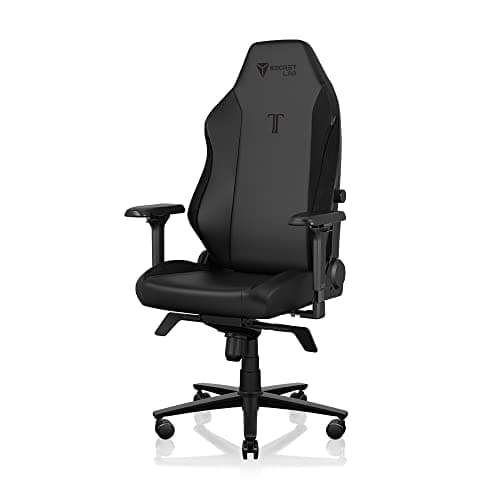
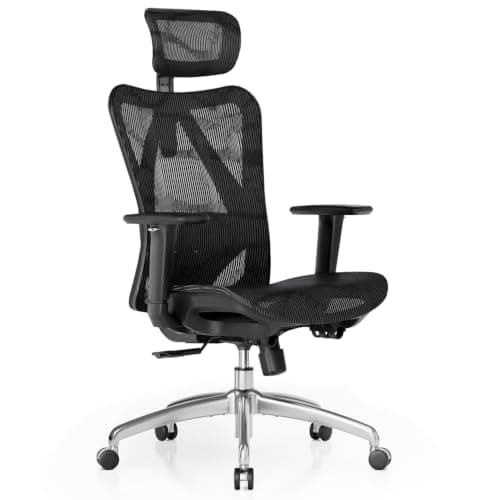
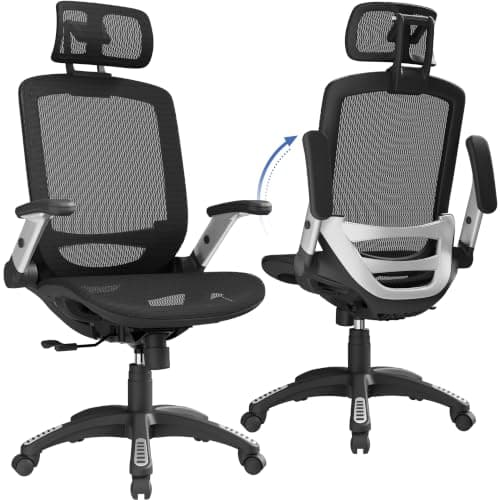
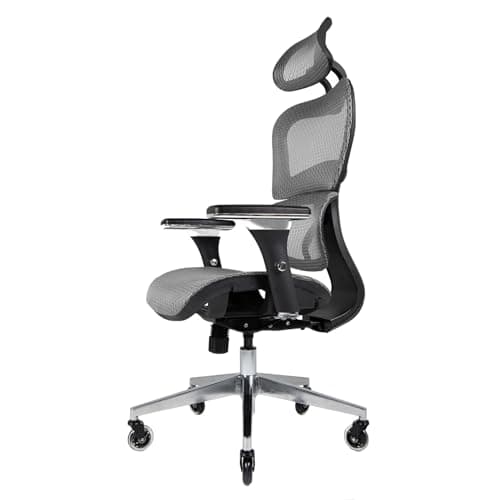
Heat is the quiet enemy of a long session. A full-mesh back moves air across your spine and stops the sweaty, sticky feeling a padded back builds over hours, which is why every chair near the top of this list uses mesh rather than foam on the back. The exception, the Secretlab Titan Evo, earns its place on cushioned support instead — a genuine trade-off you make with your eyes open.
Your lower back has a natural inward curve, and a chair that supports it holds you upright without effort. An adjustable lumbar — one you can move by height, and ideally depth — lets the support meet your curve instead of a factory average. Over a long day that is the difference between sitting up and slowly collapsing into a C-shape. Sitting bolt upright the whole time is not the goal either; movement is. A backrest that reclines and locks lets you shift load off your lower spine periodically, and the research on seated posture is consistent that changing position beats holding any single one, however “correct.” Look for a recline you can lock at more than one angle.
The last thing buyers skip is seat depth. Too deep and the front edge presses the backs of your knees and cuts circulation; too shallow and your thighs lose support. A couple of fingers of clearance behind the knee is the target, and a sliding seat pan is how a chair hits it for different bodies. Our broader best ergonomic office chairs roundup covers the full field if all-day sitting is not your main constraint, and the Herman Miller vs Steelcase comparison weighs the two flagship approaches to long-day support. Whatever you sit in, keep the screen at the height described in our monitor height guideso your neck is not undoing the chair’s work.
If the chair you are replacing is a gaming chair, read gaming chair vs office chair first — the bucket seat is usually the reason the long day hurts.
The single most useful habit over an eight-hour day is changing position rather than perfecting one, which makes a chair that holds a second angle worth more than it looks on a spec sheet. The best reclining office chairs ranks on the published angle and whether it locks, and the best chairs under $500 covers the band where that adjustment stops being deleted.
How to judge a chair for a full workday
The showroom test lies. A chair reveals itself between hour four and hour eight, so judge it on the traits that fail late rather than the ones that impress early. Breathability is first: if you run warm or your room does, a full-mesh back is worth more than a plusher foam one, because heat is what makes a long session miserable. If you prefer cushioned support and your climate is mild, a foam chair like the Titan Evo is a fair trade.
Sizing is second, and it is where big-and-tall sitters get burned. Check the weight rating and the seat dimensions against your body before the feature list; a chair rated to 275 pounds is a different proposition from one rated to 395. Then confirm the lumbar actually reaches your lower back and the recline locks at more than one angle, because the point of a long-day chair is to let you keep moving, not to pin you in a single pose.
Finally, treat the chair as one part of a full-day setup. The best seat in the world under a screen that is too low still bends your neck for eight hours, and a desk at the wrong height undoes your elbow angle. Get those right alongside the chair with the desk setup guide, and see how we pick for how these rankings come from published specifications and owner feedback rather than lab measurements.